About Me

Hello, welcome to my webpage!

I am a postdoctoral fellow in the astronomy department at the Earth & Planets Laboratory of Carnegie Science. I am an astronomer and astrophysicist, specializing in exoplanet observations and orbital dynamics. My main research interests lately include discovering new planets, characterizing tidal heat fluxes for small planets, understanding planetary system architectures through dynamical modeling, and observationally constraining the interior and atmospheric compositions of exoplanets. I enjoy combining observations with statistical analysis and computational modeling to investiage planet formation, evolution, and habitability.

Beginning in 2027, I will serve as PI for a Cycle 1 program to confirm and characterize thousands of new planets from the Galactic Bulge Time Domain Survey of NASA's new flagship mission, the Nancy Grace Roman Space Telescope.

I earned my PhD Candidate in Planetary Sciences from Caltech in 2025, advised by Professor Heather Knutson. In my PhD thesis, I used transit timing variations and radial velocity observations to measure planetary radii, masses, orbital eccentricities, and tidal heat fluxes, to understand the diversity of compositions among super-Earth and sub-Neptune planets orbiting low-mass stars.

Previously, I worked as a space weather forecaster at NASA Goddard Space Flight Center, where I monitored real-time solar wind conditions and eruptions to make predictions for impacts to NASA assets throughout the solar system. This work was exciting and fulfilling, especially when there were coronal mass ejections headed straight for the Earth!

I received dual BS degrees in Physics and Astronomy with a minor in Planetary Science from the University of Maryland, College Park in 2019. I originally focused on plasma physics and heliophysics research through internships at the Princeton Plasma Physics Laboratory and the Heliophysics Division at NASA GSFC, before switching to exoplanets. I worked with Professor Drake Deming for my undergraduate thesis on identifying false positive planet candidates from the K2 Mission.
Research Highlights

Validation of an Earth-sized planet in the Most Compact M Dwarf Binary System

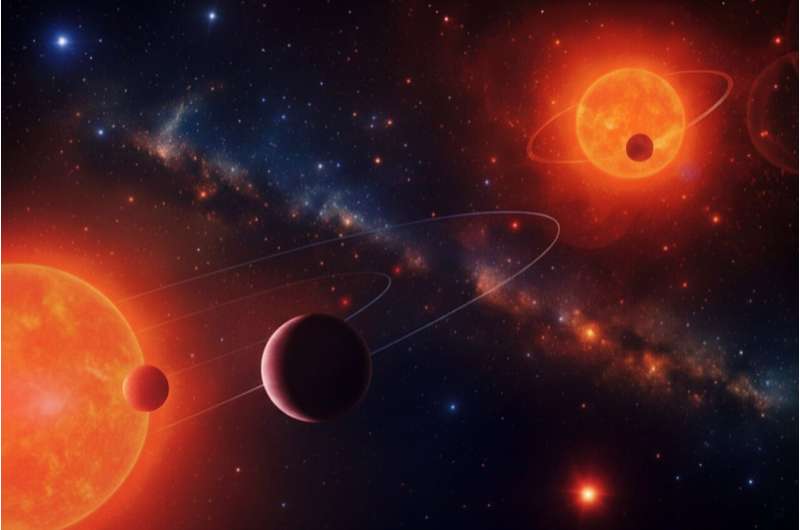
I combined two new transit observations with archival TESS photometry and high-resolution imaging to validate a third Earth-sized planet, TOI-2267 d, in the TOI-2267 system. TOI-2267 is a binary system of two M dwarfs with the closest known projected separation of just 8 au. Using an updated statistical validation pipeline that incorporates wavelength-dependent transit depths and dilution effects from the companion star, I confirmed the planetary nature of TOI-2267 d, though the current data cannot conclusively determine which of the two stars it orbits since the transits are only observed in blended light. This means that TOI-2267 is either the first known double-transiting binary M-dwarf system, or hosts three planets in the most compact orbits of any known exoplanet system at 2.0, 2.3, and 3.5 day orbits. (Image Credit: Mario Sucerquia, University of Grenoble Alpes)

Tidally Heated Sub-Neptunes in the TOI-1266 System

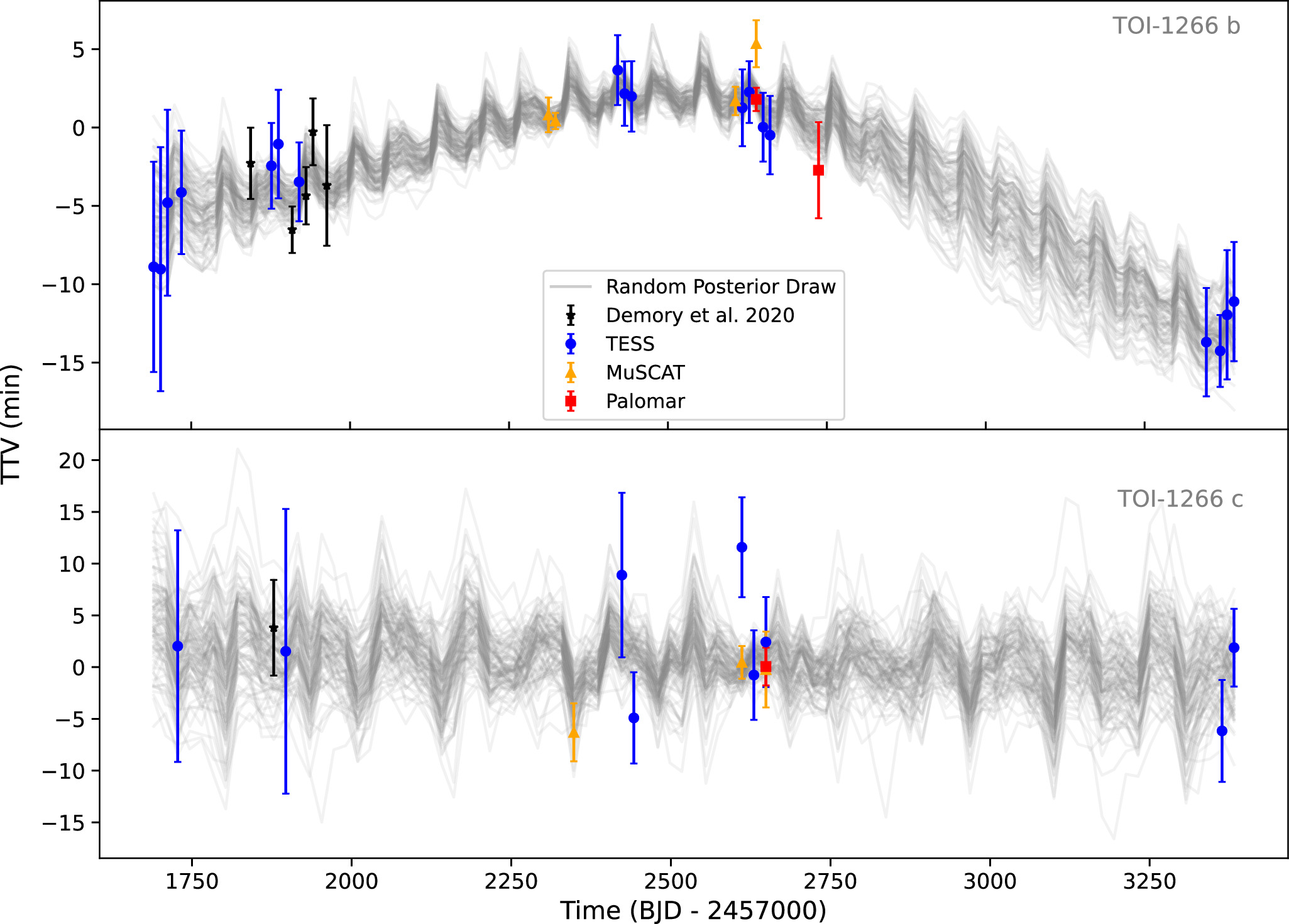
I used extensive ground- and space-based transit follow-up combined with archival radial velocity observations of the TOI-1266 system to confirm the existence of a new exterior planet, and to measure the planetary eccentricities and tidal heat fluxes. I found that TOI-1266 b has a large tidal heat flux, which may be responsible for puffing up its atmosphere compared to its outer neighbor TOI-1266 c.

Constraints on Planet Formation from TTVs in the Kepler-289 System

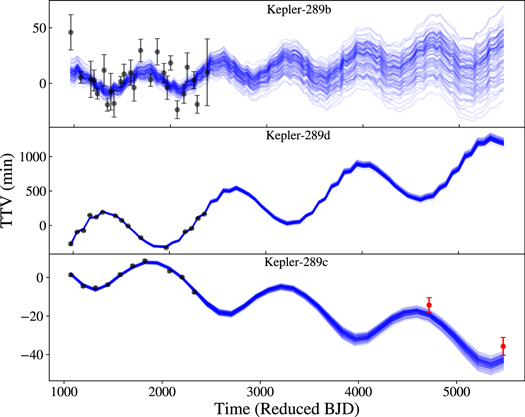
I used transit timing variations to improve the mass measurements for the three planets in the Kepler-289 system, which contains two inner rocky planets and an outer gas giant near the 1:2:4 Laplace orbital resonance. By measuring the masses of the inner two rocky planets, we can place a lower limit on the amount of solid material delivered to the inner protoplanetary disk. This constrains the formation location of the outer gas giant planet much further out than its current location, indicative of planetary migration.

Measuring the Tidal Heat Flux of an Earth-sized Exoplanet

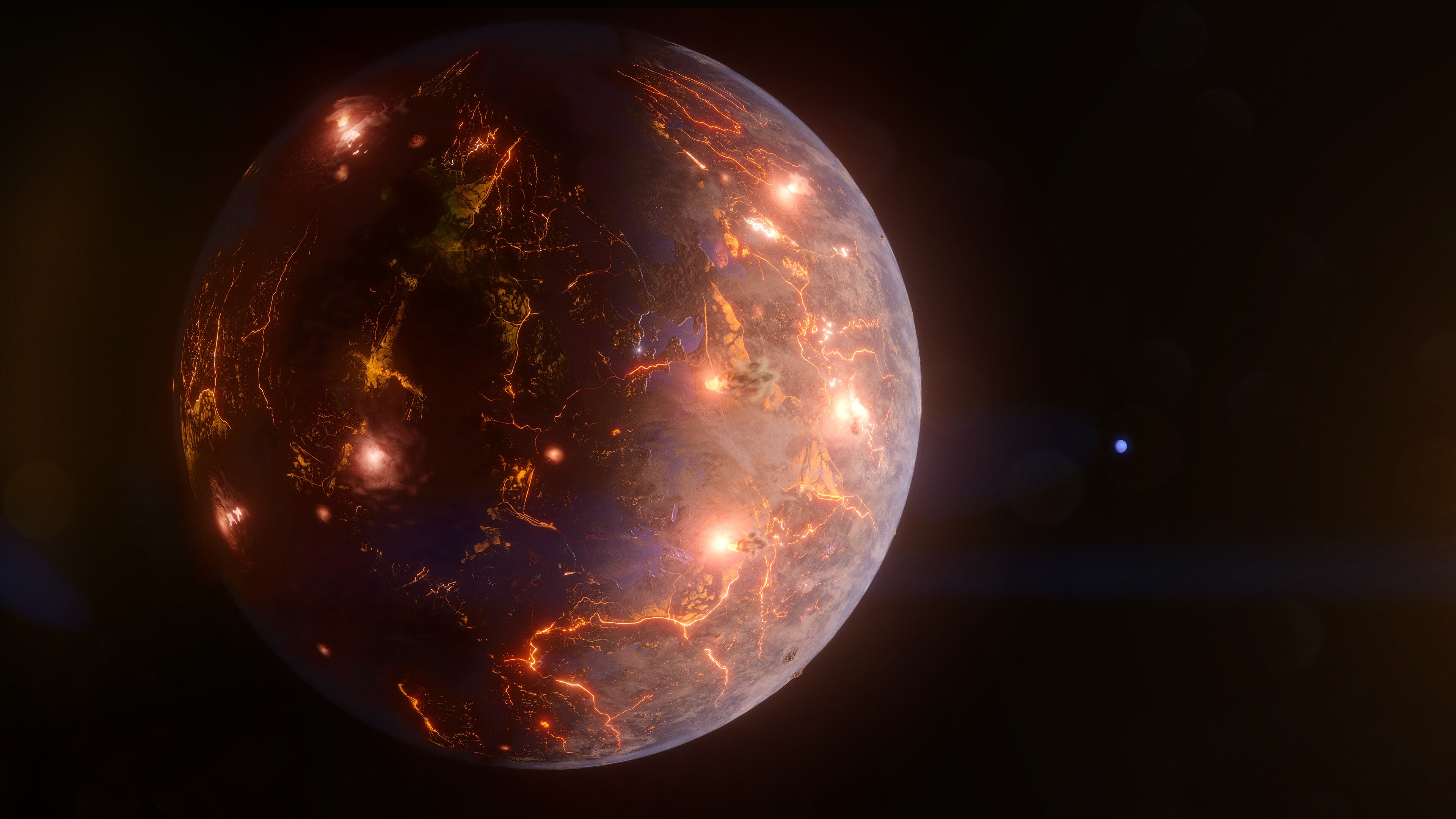
I used transit photometry from Palomar Observatory to obtain the highest precision TTV observations to date for the LP 791-18 system, which hosts a temperate, Earth-sized planet (LP 791-18 d) alongside an interior super-Earth and exterior sub-Neptune. By updating the TTV model, I reduced the mass uncertainty for LP 791-18 d by more than a factor of two and placed new constraints on its orbital eccentricity. The eccentricity governs how strongly the planet is heated by tidal forces, and my dynamical modeling confirmed that the planet may have enough tidal heating to create global volcanic activity. (Image Credit: Chris Smith/NASA GSFC)

Characterizing the Radiation Environments of Rocky Planets

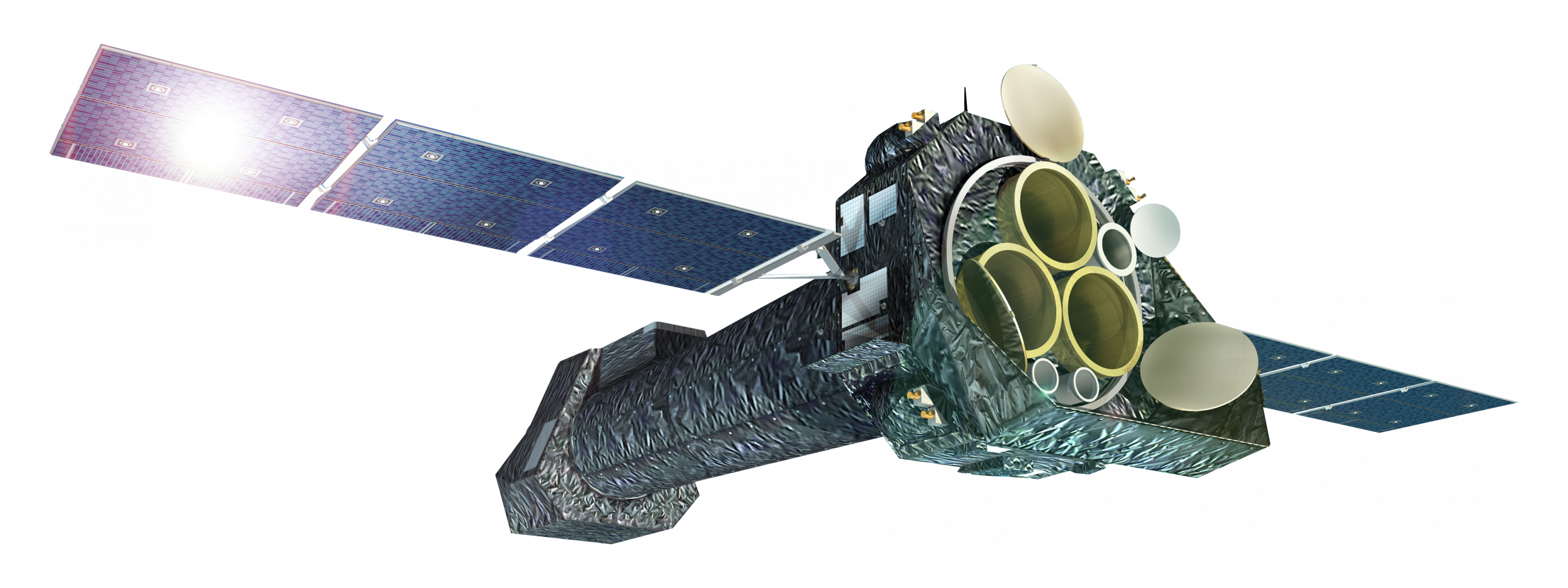
I am the PI of two XMM-Newton space telescope programs to observe the X-ray and far ultraviolet flux of nearby M dwarf stars. These stars each host multiple small planets spanning the radius valley from rocky super-Earths to volatile-rich mini-Neptunes, allowing us to assess the comparative impact of stellar irradiation on exoplanet atmospheres.

Mapping the Earth's Magnetosphere with Relativistic Electron Beams

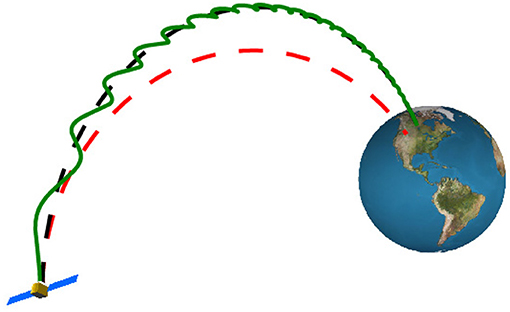
How does the Earth's magnetic field respond to changes in solar wind conditions? How quickly does it bounce back after being hit by a coronal mass ejection? These questions can be answered by precisely tracking the Earth's magnetic field lines under changing conditions, and one way to do that is by launching charged particles at Earth from an orbiting satellite to create localized aurora that can be tracked from the ground. I modeled how this process works at the Princeton Plasma Physics Laboratory. If you are a billionaire interested in creating your own personalized aurora (during quiet solar wind conditions), please get in touch!!

Invalidating Planet Candidates from K2

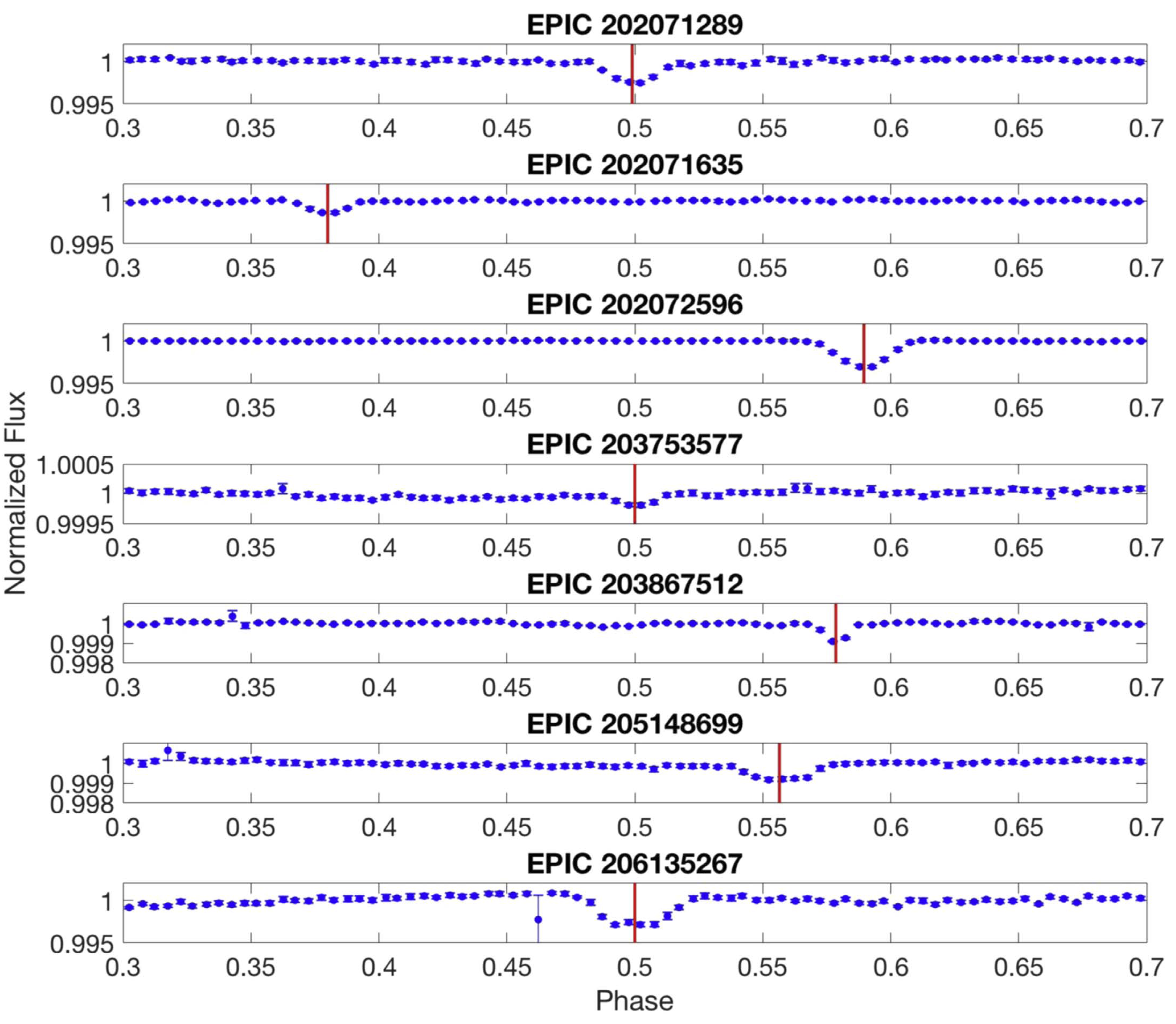
In my undergraduate thesis work, I inspected transit photometry from the K2 mission and identified several planet candidates that exhibited secondary eclipses. Calculating the implied brightness temperature of these objects from their secondary eclipse depths revealed that they are too hot to be planets, and are instead consistent with blended eclipsing binary stars.

Publications

Check out my full list of publications at the links below

Outreach & Service

Outreach

I greatly enjoy interacting with and teaching non-scientists about astronomy. I participate in community outreach activities at EPL like our Open Houses and neighborhood science demos. As a PhD student, I developed interactive lesson plans on space science topics for Caltech's GO-Outdoors program. I implemented these for several middle school classrooms, and volunteered in other teacher-requested activities which brought GO-Outdoors to 1000+ public school students in the first three years of the program! I've also given several public outreach talks, volunteered with Skype-A-Scientist.

Student Government

I served on the Board of Directors of the Caltech Graduate Student Council for 5 years as part of the social, advocacy, and budget and finance committees. Some of my favorite activities in student government included planning and hosting social events to bring graduate students together, providing support for the many interesting and exciting student clubs and groups, and advocating for the welfare of graduate students.

Academic Service

I am currently the organizer for the weekly EPL astronomy seminar series, along with fellow postdoc Will Misenser. If you are an early-career researcher interested in visiting EPL and giving a talk, please email me. I've enjoyed many other forms of academic service, including three years as a free math tutor for community high schoolers through Caltech's Rise Program, serving as an ombudsperson for my academic division, organizing Caltech's planetary sciences seminar, and reviewing papers for AAS and A&A Journals.

Union Service

I believe that all workers, including graduate students, have fundamental rights to safety, dignity, and financial security in the workplace. To this end, I was a founding organizer prior to the official certification of UAW 2478, Caltech's Graduate and Postdoc Union. I also served as an elected bargaining team representative and inaugural treasurer for the 1400+ workers of UAW 2478. Through these roles I worked to secure significant improvements to protections against discrimination and abusive conduct, health and safety standards, accessibility accommodations, and more through mass organizing and contract negotations.

Mentorship

I've mentored several undergraduate and PhD students, including sevearl through Caltech's WAVE and SURF programs. My mentees have completed impressive projects involving software development, telescope observations, atmospheric modeling, and dynamical simulations! See my CV for further details.

SCUBA

Check out these awesome SCUBA highlights 😎 🌊 🤿

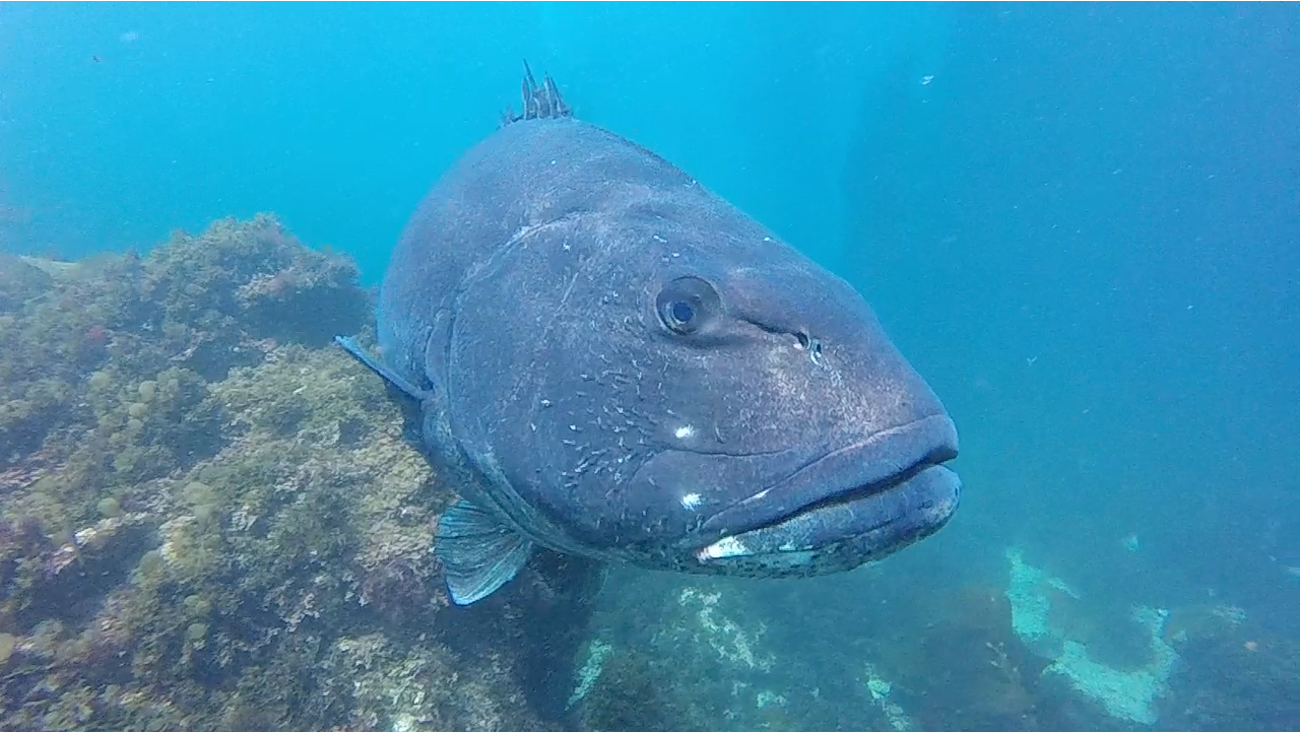
A 300 lb (very friendly) giant black sea bass posing for the camera

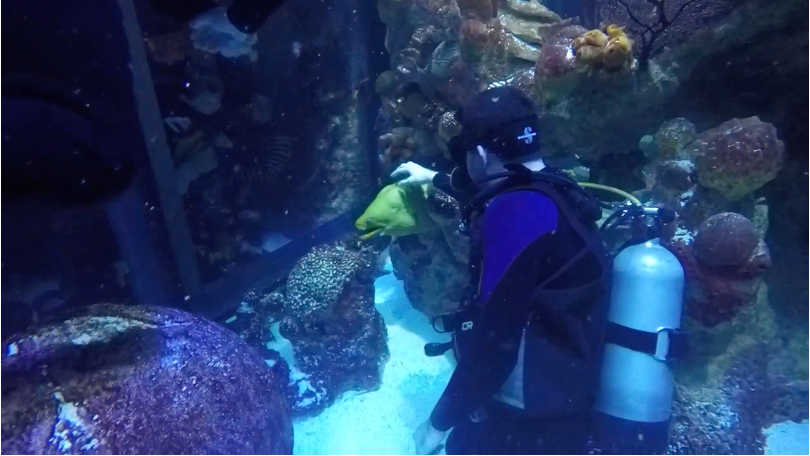
Me petting Thomas the green moray eel in the New England Aquarium Giant Ocean Tank (thanks Kelly!)

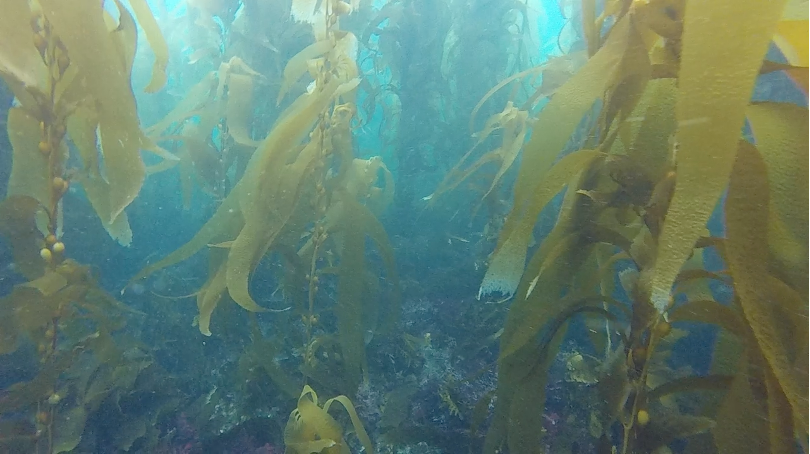
Floating through a channel islands kelp forest, my home dive site for almost 6 years :')

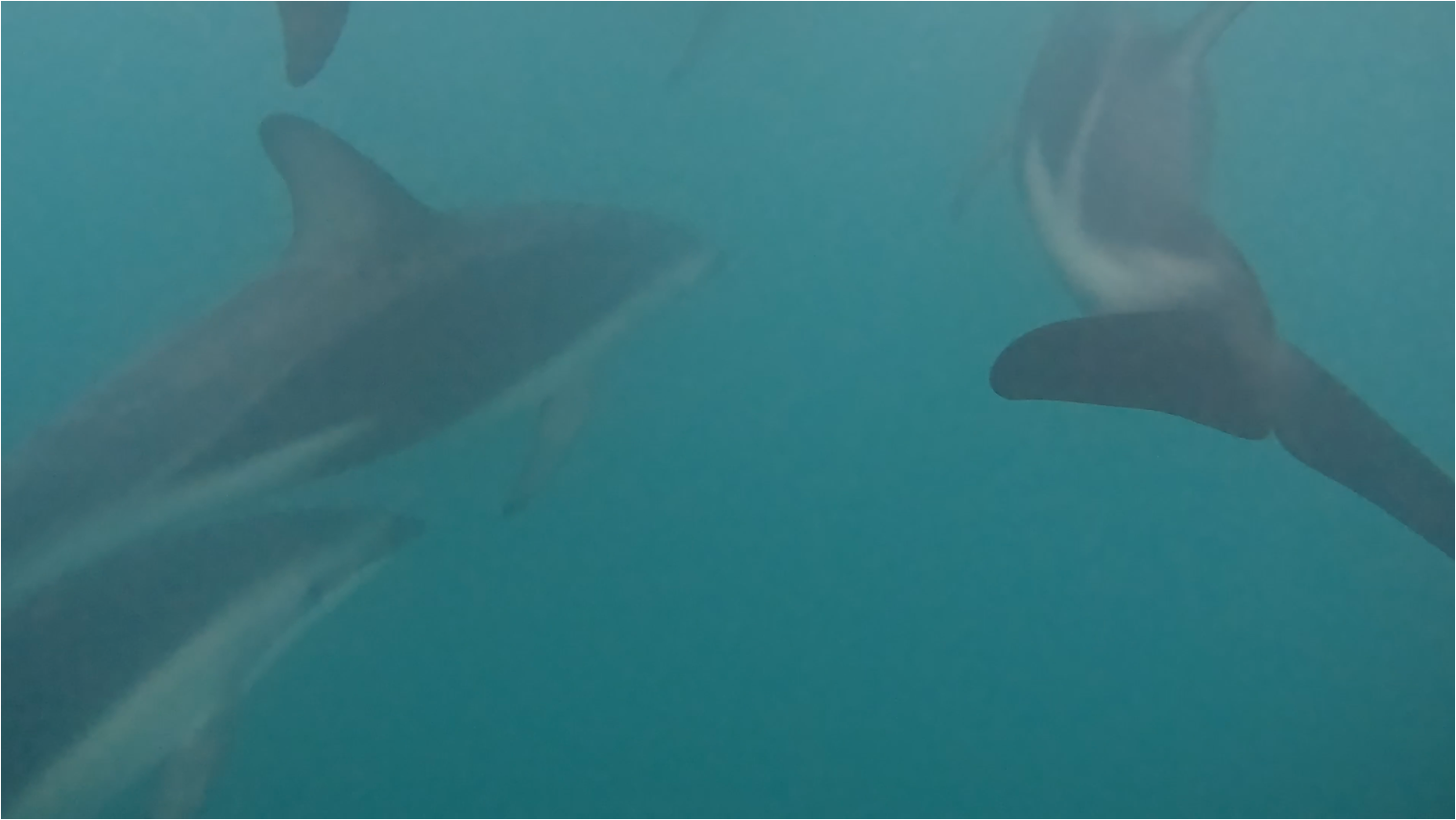
Snorkeling in the open ocean with a pod of wild dolphins

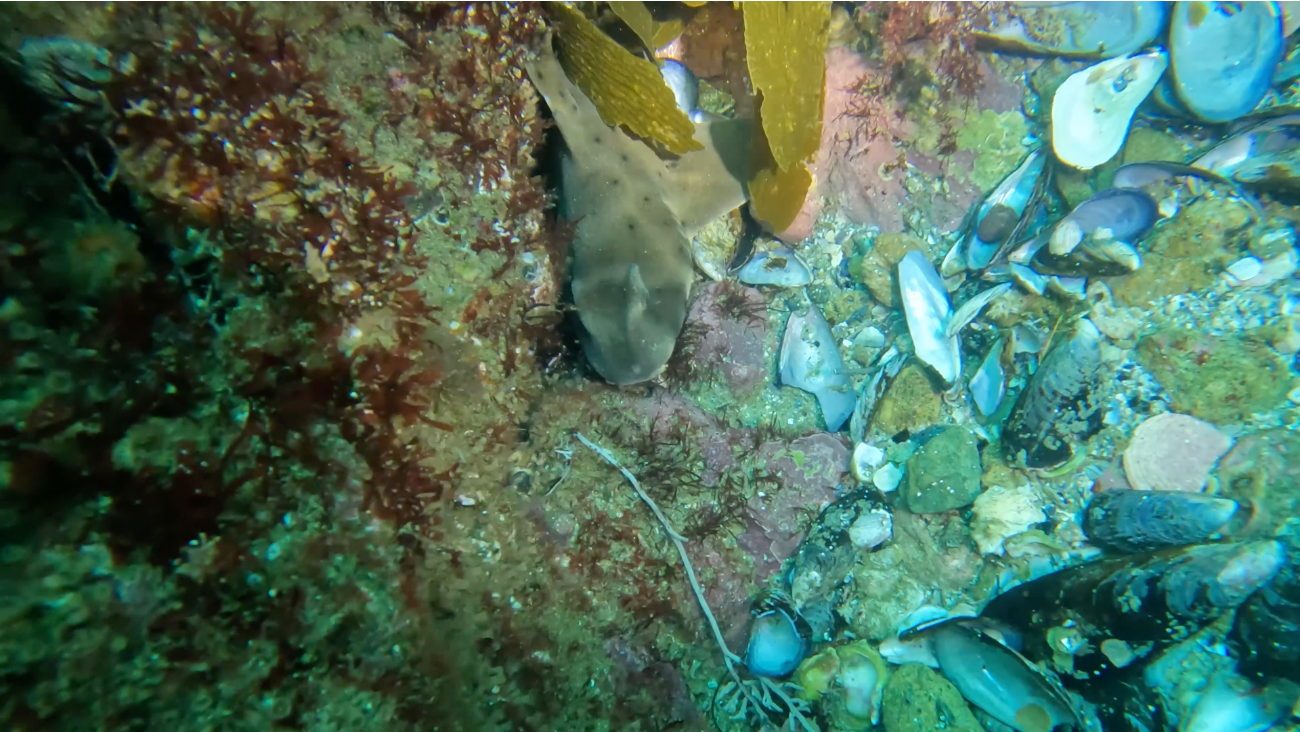
This little horn shark was dead asleep after eating what looks like about 25 mussels

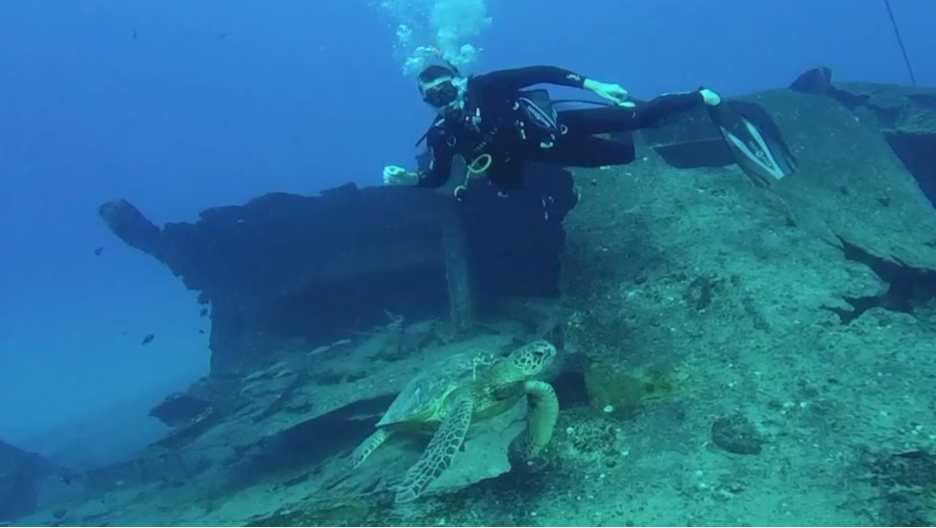
Visiting a shipwreck with a friend in Hawaii

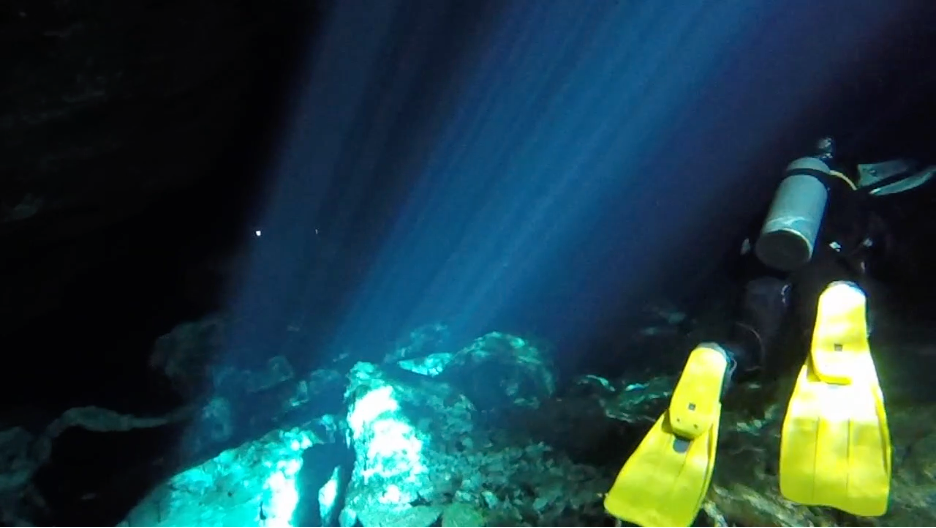
Entering a cenote (underwater cavern) in Yucatán

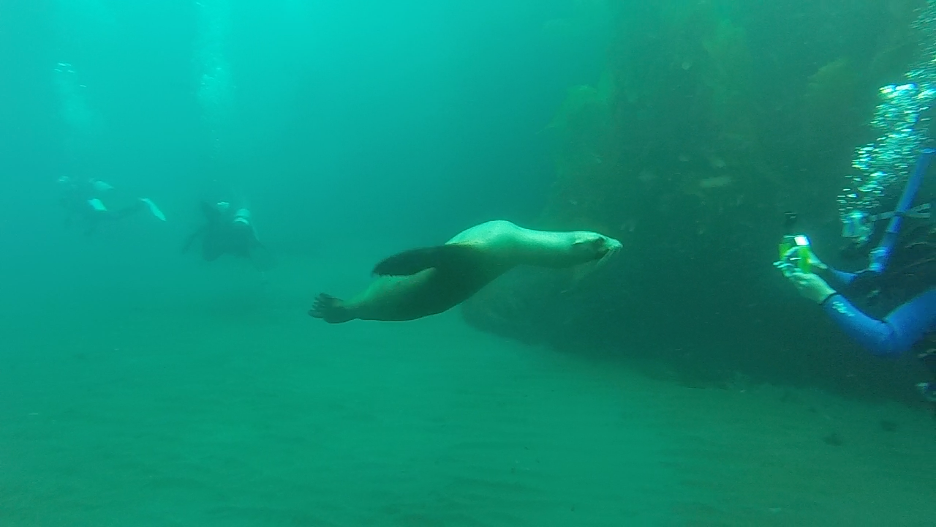
A curious california Sea Lion

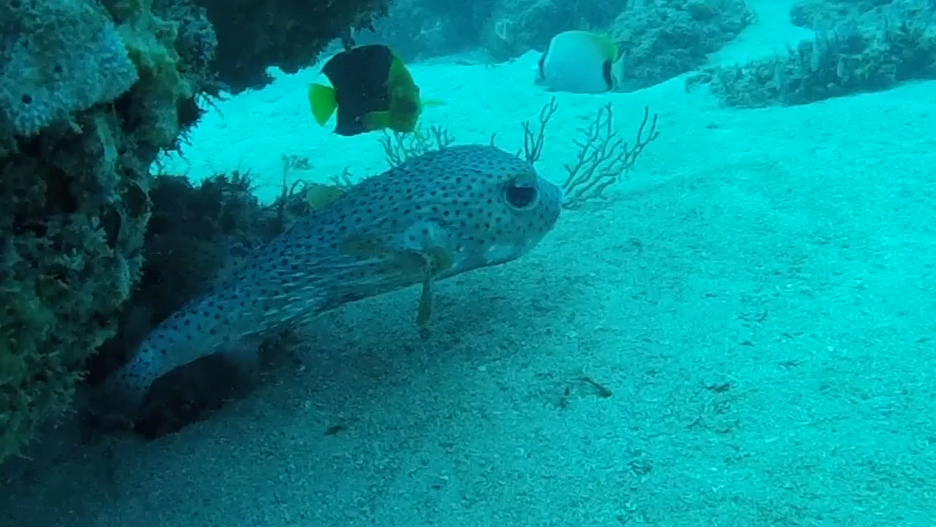
An unbothered Puffer Fish in Colombia

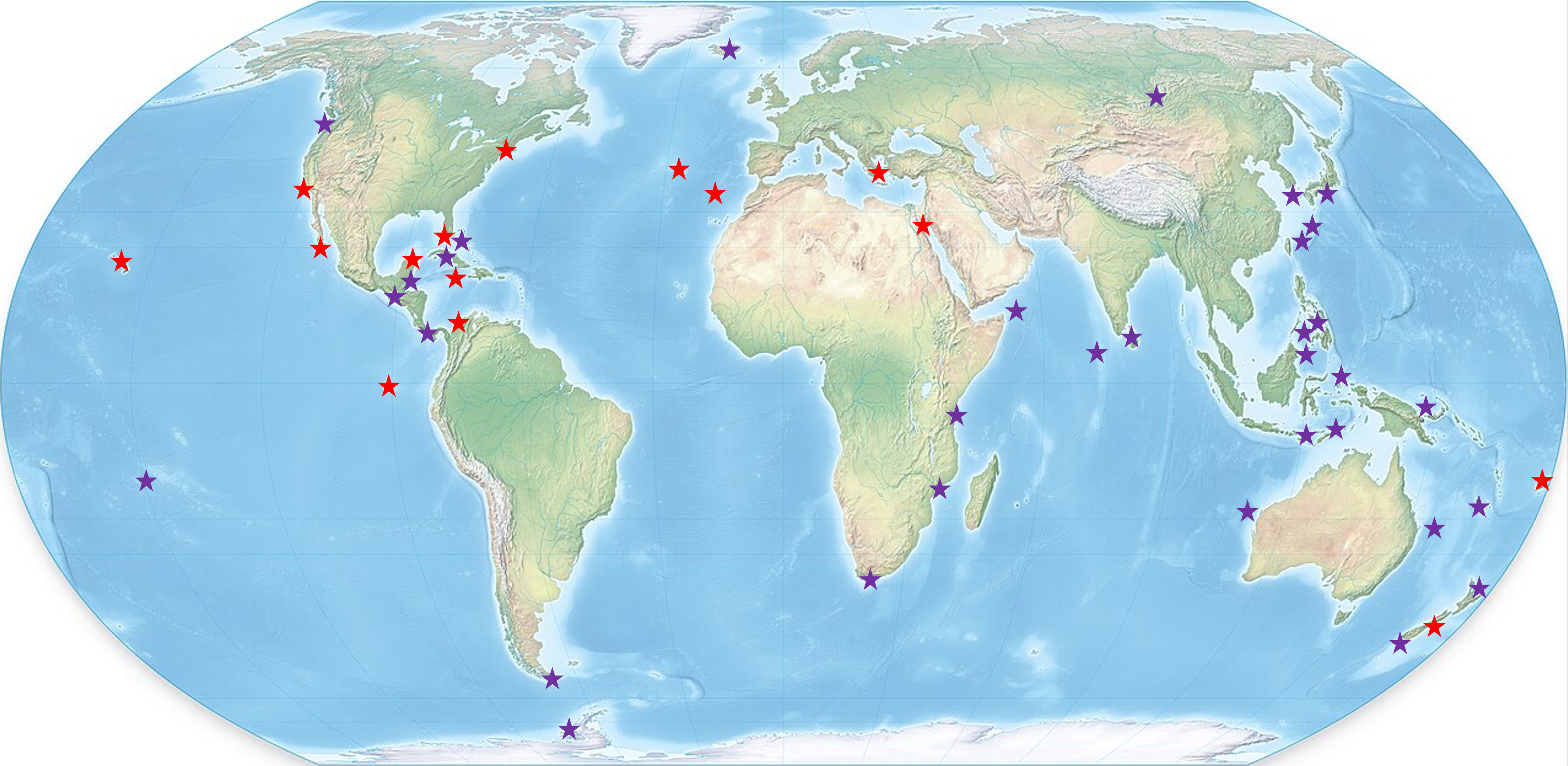
Red stars are everywhere I have been diving, purple stars are where I want to go diving